


admin:Date:2026-03-02Hits:0
1. PLA material
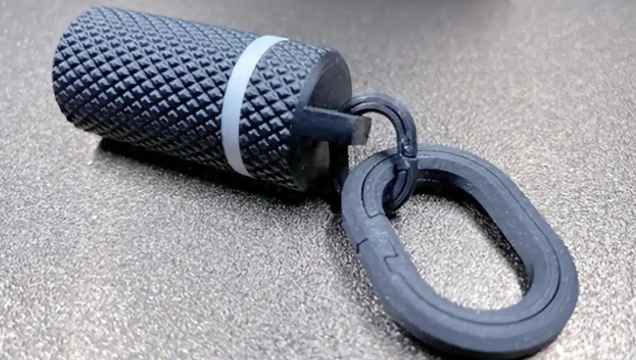
Polylactic acid (PLA) is one of the highly regarded materials among these three. It is derived from corn starch and is a renewable plant-based plastic. PLA is an environmentally friendly and renewable material. Although many people believe that PLA can be biodegraded, a more accurate description is that it can decompose under industrial composting conditions. PLA has various variants, such as polylactic acid+ (or called high-toughness PLA), as well as composites with wood, carbon fibers, and metals, providing a wide range of options for different applications.
Advantages
PLA is very easy to print, and its printing temperature is lower compared to other filament materials. Moreover, its affordability is the greatest advantage of using PLA for printing.
Disadvantages
However, PLA filaments tend to soften or melt in high-temperature environments, making them unsuitable for creating components that require heat resistance. Additionally, as a brittle material, PLA is prone to cracking when subjected to impact, and its mechanical strength is lower than that of ABS or PETG. It is more suitable for aesthetic purposes rather than mechanical applications.
2. PETG Material
Polyethylene terephthalate glycol (PETG) is a thermoplastic material that, due to its unique material properties, has established a position in the manufacturing of functional items. PETG has excellent durability and impact resistance, making it suitable for food and outdoor applications. It is commonly used to make water bottles and food containers, demonstrating its wide application in food safety. In addition to basic products, PETG also offers filament composite products, further expanding its application scope.
The advantages of PETG lie in its durability and UV resistance, making it an ideal material for kitchen or camping utensil accessories and containers. However, when using PETG filaments for 3D printing, it is necessary to be cautious about avoiding stringing issues, which usually requires a higher printing temperature to address. Additionally, although the PETG material is hard, it is prone to scratching, which may have an impact on some users.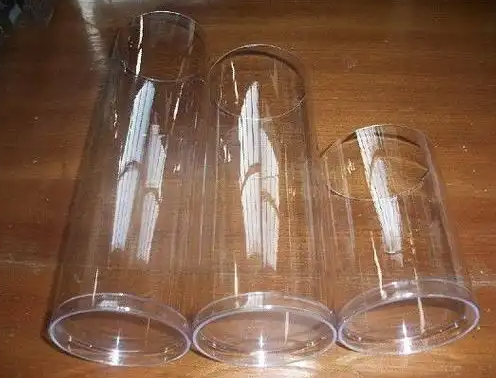
3D Printing Parameters and Technologies
△ Printing Temperature
During the 3D printing process, the recommended printing temperatures vary for different materials. Generally, the printing temperature for PLA is between 180-220°C. No heated bed is required, but it can benefit from a temperature environment of 55-70°C. For PETG, the printing temperature range is 220-250°C. No heated bed is also needed, but it can benefit from an environmental temperature of 50-80°C. These parameters are for reference only. Specific adjustments must be made according to the recommendations of the supplier of the selected material.
△ Shell Selection
Although some materials may achieve good results without a shell during the printing process, the use of a shell is still necessary. A suitable shell can effectively reduce warping and cracking problems. Although there are some expensive shell options available in the market, you can also find affordable alternatives through DIY methods at places like IKEA. For both PLA and PETG materials, they usually do not require additional shells during printing.
△ Post-processing methods
Filling, sanding and priming are common post-processing methods, but the appropriate technique needs to be selected based on the characteristics of different filaments. Post-processing can improve the surface quality of the model. Different materials require different formulations. For example, for PLA materials, these methods are sufficient to handle the situation. It is worth noting that there are currently no safe chemical formulations suitable for processing PLA printed parts. For PETG materials, acetone can be used for sanding, and filling, sanding and applying a primer are also proven effective methods.
△ Strength and Durability
During the 3D printing process, the choice of materials and printing parameters directly affect the strength and durability of the printed object. This involves selecting the appropriate materials, optimizing the printing parameters, and employing post-processing techniques to enhance the physical properties of the printed object.
△ Toxicity and Odor
During the 3D printing process, we need to pay attention to the properties of the filaments to ensure the safety and comfort of the printing environment. PLA is non-toxic and has a low odor, while PETG has no odor and is non-toxic.
△ Hygroscopicity
The material filaments are prone to absorbing moisture and require sealed storage to prevent printing failures. To ensure the smooth progress of printing, we need to take measures to dry these filaments. For the two commonly used filaments, PLA and PETG, as they both have considerable hygroscopicity, it is recommended to store them in sealed storage boxes or to dry them after long periods of non-use.
△ Best Use Cases
The application scope of 3D printing technology is extensive. However, different material filaments will exhibit better performance in specific application scenarios. PLA is suitable for printable items, while PETG is suitable for food contact and outdoor applications. For instance, polylactic acid (PLA) is widely favored due to its suitability for items without specific functional requirements. Its easy-printing characteristic makes it effortless to produce various practical items. On the other hand, PETG material stands out with its excellent UV resistance, making it an ideal material for food or beverage contact and outdoor use, as well as an excellent choice for manufacturing functional components.
Copyright 2019 Jiangyin Film-Maker Plastic Co., Ltd.